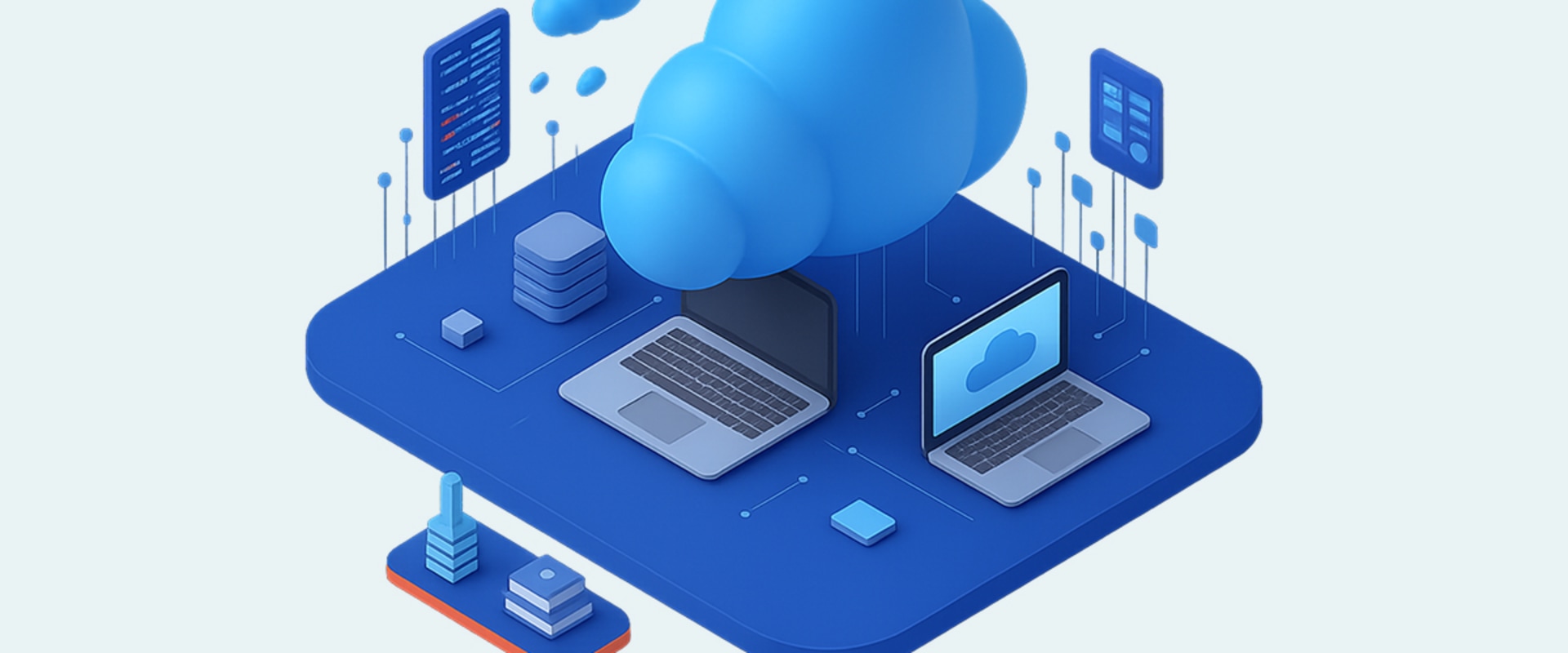
Migrating from desktop to cloud-based accounting can be a daunting task for small businesses. With the ever-evolving technology landscape, many businesses are now turning to cloud-based accounting solutions to streamline their financial processes and stay competitive in the market. This shift not only offers increased flexibility and accessibility, but also eliminates the need for expensive hardware and software installations. In this article, we will explore the benefits of migrating from traditional desktop accounting to cloud-based solutions and provide valuable resources for small businesses looking to make the transition. Migrating from desktop to cloud-based accounting can be a daunting task for small businesses. With the ever-evolving technology landscape, many businesses are now turning to cloud-based accounting solutions to streamline their financial processes and stay competitive in the market. This shift not only offers increased flexibility and accessibility, but also eliminates the need for expensive hardware and software installations. In this article, we will explore the benefits of migrating from traditional desktop accounting to cloud-based solutions and provide valuable resources for small businesses looking to make the transition.
From understanding the search intent to choosing the right cloud-based accounting software, we've got you covered. So let's dive in and discover the world of cloud-based accounting for small businesses. To begin with, let's understand the main search intent behind people looking for information on accounting. They are searching for services and resources related to managing and reporting financial information. This could include assistance with bookkeeping, tax preparation, payroll services, and other aspects of financial management.
In addition, they may also be seeking guidance on budget planning and financial analysis. Some may have specific needs related to small business accounting or auditing. With this in mind, we will discuss how cloud-based accounting can cater to all these requirements and more. Are you a small business owner looking for efficient and reliable ways to manage your financial information? Look no further. In addition, they may also be seeking guidance on budget planning and financial analysis. Some may have specific needs related to small business accounting or auditing. With this in mind, we will discuss how cloud-based accounting can cater to all these requirements and more. Are you a small business owner looking for efficient and reliable ways to manage your financial information? Look no further.
In today's digital age, many businesses are making the switch from traditional desktop accounting software to cloud-based solutions. This article will cover all the important aspects of migrating from desktop to cloud-based accounting, including the benefits, resources, and services available to make the transition smooth and successful. Cloud-based accounting offers a wide range of services and resources to help small businesses with their financial management needs. With features such as real-time data updates, automatic backups, and secure data storage, it provides a convenient and efficient way to manage financial information.
Additionally, cloud-based accounting software often comes with user-friendly interfaces and customizable dashboards, making it easier for users to navigate and access the information they need. One of the biggest advantages of using cloud-based accounting is the flexibility it offers. With traditional desktop software, users are limited to working on a single device or location. However, with cloud-based solutions, users can access their financial information from anywhere with an internet connection.
This is particularly beneficial for small business owners who are constantly on-the-go or have multiple locations. In terms of security, cloud-based accounting also offers peace of mind. With regular data backups and advanced security measures in place, businesses can rest assured that their financial information is safe and secure. This eliminates the risk of losing important data due to hardware failures or security breaches.
Another major benefit of cloud-based accounting is cost savings. With traditional desktop software, businesses often have to invest in expensive licenses and upgrades. In contrast, cloud-based solutions often operate on a subscription-based model, where users only pay for the services and features they need. This can result in significant cost savings for small businesses.
In conclusion, for small business owners looking for efficient and reliable ways to manage their financial information, migrating from desktop to cloud-based accounting is a smart move. With its wide range of services and resources, flexibility, security, and cost savings, cloud-based accounting can cater to all the financial management needs of a business. So don't hesitate to make the switch and see the benefits for yourself!
Why Make the Switch?
Small business owners are always looking for ways to improve their efficiency and manage their financial information more effectively. With the rise of cloud-based solutions, many businesses are considering making the switch from traditional desktop accounting software.But why should you make the switch? What are the benefits of cloud-based accounting? In this article, we will explore the advantages of migrating from desktop to cloud-based accounting, so you can make an informed decision for your business.
What is Cloud-based Accounting?
use HTML structure with Cloud-based Accounting only for main keywords and A Brief Overview for paragraphs, do not use "newline characterServices and Resources
One of the main benefits of migrating from desktop to cloud-based accounting is the access to various services and resources that can help small businesses manage their financial information more efficiently. With cloud-based solutions, businesses no longer have to rely on manual data entry or outdated software. Instead, they can take advantage of modern tools and services that are specifically designed for cloud-based accounting. One of the most important services is automatic data syncing. With cloud-based accounting, all financial information is automatically synced between different devices and platforms, making it easier for businesses to keep track of their finances in real-time.This eliminates the need for manual data entry, which can be time-consuming and prone to errors. Another valuable resource for small businesses is the availability of online support and training. Many cloud-based accounting providers offer tutorials, webinars, and other resources to help businesses learn how to use their software effectively. This can be especially helpful for those who are new to cloud-based accounting or have never used accounting software before. Additionally, cloud-based accounting offers scalability for growing businesses. As a business expands, its financial needs may change, and with cloud-based solutions, businesses can easily upgrade or add new features as needed.
This eliminates the need for costly software upgrades or purchasing additional licenses. Lastly, cloud-based accounting also offers enhanced security measures to protect sensitive financial information. With advanced encryption and secure data storage, businesses can rest assured that their financial data is safe from cyber threats.
Budget Planning and Analysis
When migrating from desktop to cloud-based accounting, one of the most important aspects to consider is budget planning and analysis. As a small business owner, it is crucial to have a clear understanding of your financials and be able to make informed decisions for the future of your business. Fortunately, cloud-based accounting software offers a variety of tools and features specifically designed for financial planning and analysis.One such tool is budget tracking, which allows you to set and monitor your budget in real-time.
This is especially useful for small businesses with limited resources, as it helps you stay on top of your expenses and avoid overspending. Additionally, many cloud-based accounting solutions offer forecasting capabilities, which use historical data to predict future financial trends and help with long-term budget planning.
Another important feature to consider is financial reporting. With cloud-based accounting, you can easily generate customizable reports that provide insights into your company's financial health. These reports can include balance sheets, income statements, cash flow statements, and more, giving you a comprehensive view of your finances.
Lastly, many cloud-based accounting software also offer analysis tools such as key performance indicators (KPIs) and financial ratios.
These tools allow you to measure the success of your business and make data-driven decisions for improvement.
In conclusion, when transitioning from desktop to cloud-based accounting, make sure to take advantage of the various tools and features available for budget planning and analysis. These will not only streamline your financial management but also help you make more informed decisions for the growth of your business.
Auditing Made Easy
Are you tired of spending hours on end manually auditing your financial records? With the move to cloud-based accounting, this task has become significantly easier and more efficient. Cloud-based accounting allows for real-time updates and automatic syncing, which means all of your financial information is up-to-date and accessible at any time. This eliminates the need for manual data entry and reconciliation, reducing the chances of human error and saving you valuable time. Moreover, many cloud-based accounting software come equipped with built-in audit trails, making it easier for you to track any changes made to your financial data. This not only streamlines the auditing process but also provides a clear and transparent record of all transactions. Additionally, cloud-based accounting offers advanced security measures to protect your financial information.This includes encrypted data storage, multi-factor authentication, and regular backups to ensure your data is always safe and accessible. With all these features in place, using cloud-based accounting for auditing not only makes the process easier and more efficient but also provides a higher level of accuracy and security for your financial records.
Small Business Accounting
Are you a small business owner looking for efficient and reliable ways to manage your financial information? Look no further. As a small business, it can be overwhelming to keep up with all the financial tasks and responsibilities. That's where cloud-based accounting comes in. Cloud-based accounting offers tailored solutions specifically designed for small businesses.This means that the software is user-friendly, easy to navigate, and offers features that are essential for managing the finances of a small business. With cloud-based accounting, you can easily track income and expenses, create and send invoices, manage payroll, and generate financial reports. One of the biggest advantages of cloud-based accounting for small businesses is its affordability. These solutions offer cost-effective pricing plans, making it accessible for small businesses with limited budgets.
They also eliminate the need for costly hardware and maintenance fees, saving you even more money in the long run. Another benefit of cloud-based accounting for small businesses is its accessibility. With traditional desktop software, you are limited to accessing your financial information on one computer. With cloud-based solutions, you can access your data from anywhere with an internet connection, making it easier to manage your finances on-the-go.
In addition to tailored solutions and affordability, cloud-based accounting also offers top-notch security. Your financial data is stored on secure servers and backed up regularly, giving you peace of mind knowing that your sensitive information is safe. In conclusion, if you are a small business owner looking for efficient and reliable ways to manage your financial information, consider migrating to a cloud-based accounting solution. With its tailored features, affordable pricing plans, accessibility, and top-notch security, it is the perfect solution for small businesses looking to streamline their financial management processes. In conclusion, migrating from desktop to cloud-based accounting offers numerous benefits for small business owners.
It provides a more efficient and accessible way to manage financial information, with a wide range of services and resources available to cater to specific needs. With budget planning and analysis tools, as well as tailored solutions for small businesses and easy auditing capabilities, cloud-based accounting is a valuable asset for any business looking to streamline their financial management processes. Make the switch today and discover the convenience and advantages of cloud-based accounting.